
Mormonism Explained
How Many Wives Did Brigham Young Have?
Brigham Young, the second president of The Church of Jesus Christ of Latter-day Saints, exemplifies the practice of plural marriage within 19th-century LDS society.
Introduction
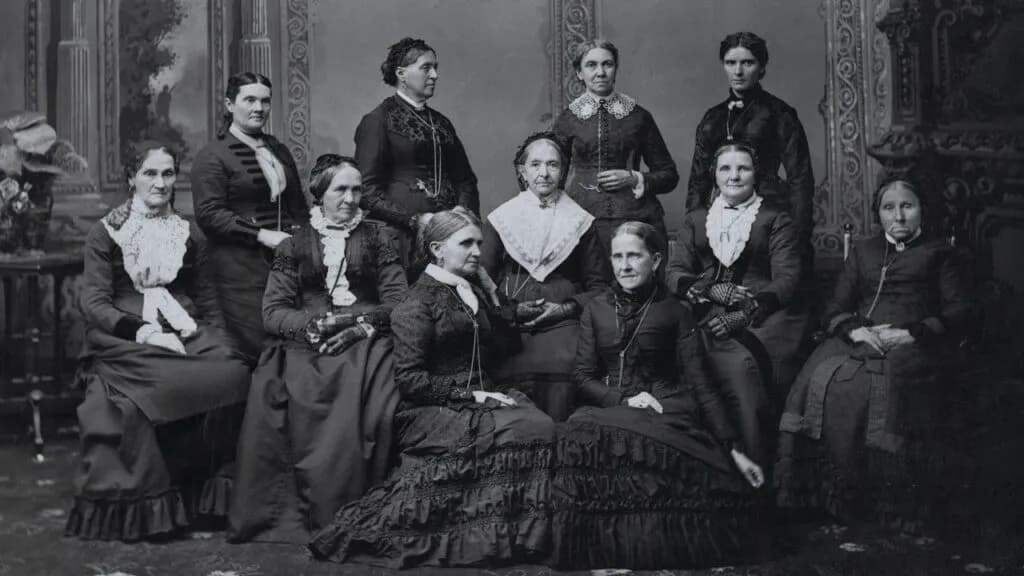
Polygamy remains among the most contentious and frequently misunderstood elements of Latter-day Saint history. Brigham Young, the second President of The Church of Jesus Christ of Latter-day Saints and initial governor of Utah Territory, exemplifies this practice through his extensive polygamous family. The article poses the central question regarding how many wives did Brigham Young have and explores why, examining plural marriage within the broader context of 19th-century LDS society and doctrine.
Polygamy in Latter-day Saint Theology and Early Church History
The origins of plural marriage among Latter-day Saints trace to Joseph Smith’s reported divine revelations during the 1830s and 1840s. Church members believed that through Joseph, God restored many ancient principles—including forms of marriage mirroring Old Testament practices. The theological basis emerged from Doctrine and Covenants Section 132, which provided doctrinal support for polygamy during this era.
Initially practiced in private by limited membership due to persecution concerns, polygamy gained public recognition by August 1852 in Utah Territory. Though not mandatory, members were expected to recognize it as divinely ordained. Early Latter-day Saints viewed polygamy within their faith as more than a social custom but rather as obedience to revelation and part of God’s plan.
Brigham Young’s Wives: Breaking Down The Numbers
Historical documentation indicates Brigham Young received sealings to approximately 56 women. However, the article emphasizes crucial distinctions in sealing types:
- “For time and eternity” sealings paralleled modern temple marriages with ongoing conjugal relationships
- “Eternity alone” sealings connected families posthumously without typical marital expectations during life
- Other sealings provided protection and support for widowed women
When addressing journalist Horace Greeley in 1859, Young personally reported he had 15 wives, adding that some of the women sealed to him were elderly and more like mothers than spouses.
Regarding offspring, 16 wives produced approximately 57 children, though exact records vary. Notably, not all Mormon polygamy sealings involved conjugal relationships, and some were performed for reasons of protection rather than traditional marriage.
Polygamy as a Social and Religious Practice in Utah
The article provides statistical context:
- Approximately two-thirds of plural marriage practitioners maintained only two wives simultaneously
- Around half of Utah Territory residents in 1857 experienced polygamous household life
- By 1870, this proportion declined to roughly 25-30 percent
Social impacts included increased marriage opportunities for frontier women, strengthened isolated immigrant communities through extended kinship networks, and introduced emotional, financial, and logistical complications. Despite governmental opposition and anti-bigamy legislation, numerous Latter-day Saints embraced polygamy as their religious identity.
The End of Polygamy and Its Legacy
President Wilford Woodruff’s 1890 Manifesto officially terminated Mormon polygamy, directing adherents to comply with U.S. law. By 1904, the Church prohibited new plural marriages entirely, with excommunication as the penalty for violations. Presently, The Church of Jesus Christ of Latter-day Saints teaches monogamy as God’s standard for marriage.
The article characterizes polygamy as a sensitive and complex chapter in Church history—one that reflects both the faith convictions of early Saints and the challenges they faced.
Understanding Brigham Young in Context
The concluding section emphasizes viewing Young’s marriages within their historical, theological, and societal frameworks. Rather than cultural peculiarity, early Saints perceived polygamy as religious obedience believed to produce blessings across both temporal and eternal dimensions. This perspective situates polygamy in Utah within a comprehensive narrative encompassing faith, community building, and attempting to live what early Latter-day Saints regarded as divine instruction.
About Mormonism Explained: Mormonism Explained is a resource that was designed to provide objective and factual information about Mormonism, its history, doctrines, and policies. Our team of researchers consults experts and primary sources to present factual information on a variety of topics relevant to the Mormon Church.