
Last Updated: May 18, 2026
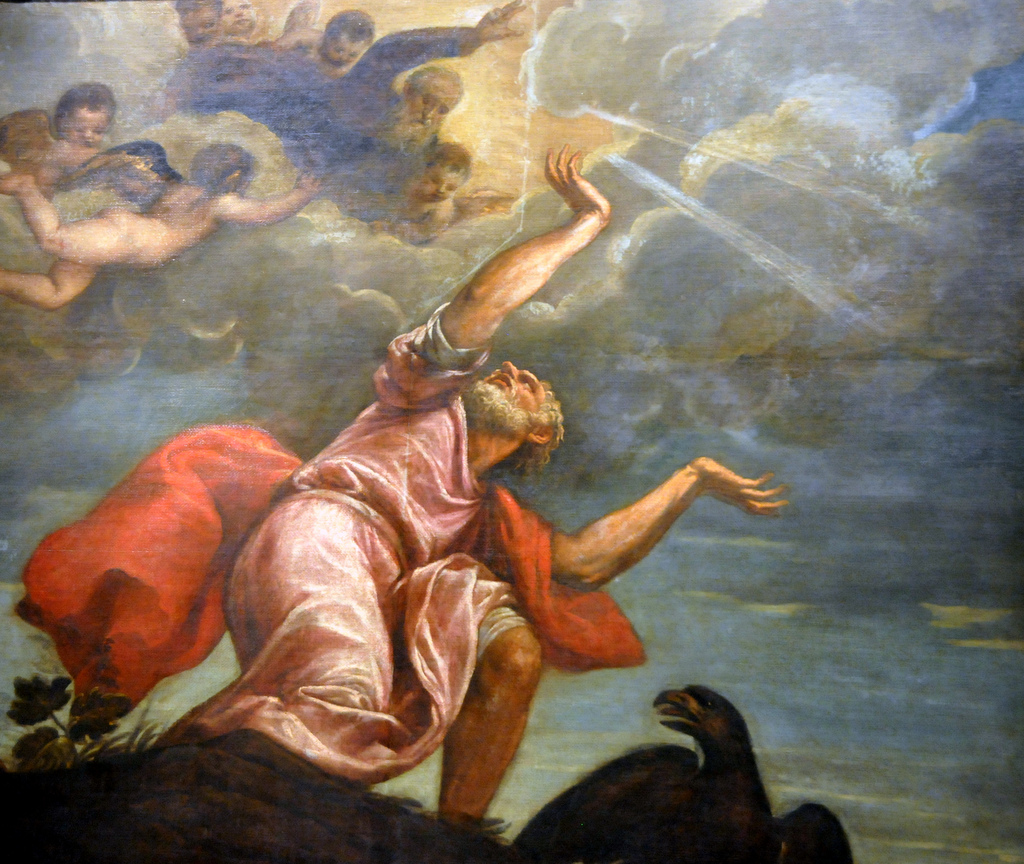
When members of the Church of Jesus Christ of Latter-day Saints talk about “Mormon garments,” they typically speak with reverence and restraint. This is because in Latter-day Saint theology, the garment is deeply sacred and symbolic. Its meaning connects Eden, the atonement of Jesus Christ, and the sweeping, apocalyptic imagery of the Book of Revelation. When viewed through this symbolic lens, the temple garment can be understood not just as a tradition, but as part of a broader biblical pattern of divine protection, purification, and what it means for God’s children to become “kings and priests.”
Coats of Skins and a Fallen World
Many outside the Church wonder: why do Mormons wear garments? Some misunderstand their meaning, referring to them incorrectly and leading others to wonder: what is Mormon magic underwear? But terms like “magic underwear LDS” are not only inaccurate, but disrespectful.
One reason why Latter-day Saints wear temple garments is that they understand the garment to be symbolically connected to the “coats of skins” God provided to Adam and Eve after their expulsion from the Garden of Eden (see Genesis 3:21). In the biblical narrative, these garments come at a moment of transition. Adam and Eve have fallen into a mortal world characterized by hardship, separation from God’s immediate presence, and vulnerability. Yet God does not abandon them. Instead, He clothes them.
In Latter-day Saint thought, this act represents continued divine love and protection in an often harsh world. Clothing, in this sense, is not merely practical. It signifies that even outside Eden, God is aware of humanity and has a plan for them. The temple garment echoes this idea by reminding wearers of God’s nearness and of promises made to follow Him, despite mortal weakness.
Mormon Garments and the Atonement of Jesus Christ
Another central symbolic meaning of Mormon garments is their relationship to the atonement of Jesus Christ. The Bible, Book of Mormon, and Doctrine and Covenants frequently use clothing imagery to describe spiritual purification. To be “clothed” in righteousness or to have one’s garments made clean is to be transformed through Christ’s grace.
The Book of Revelation uses this imagery repeatedly and powerfully. In Revelation 7, John sees a countless multitude “clothed with white robes,” and he is told that these robes have been made white “in the blood of the Lamb” (Revelation 7:9, 14). Paradoxically, blood cleanses in this case rather than staining. This striking image represents how Christ purifies repentant souls.
Latter-day Saint leaders have consistently interpreted these verses as symbolic of the cleansing power of Christ. Elder Lynn A. Mickelsen taught that through repentance and Christ’s redeeming blood, the Savior “will cleanse our garments,” emphasizing personal transformation rather than outward appearance. In this context, Mormon sacred garments can be understood as a reminder of Christ’s covering grace.
Revelation and Latter-day Saint Temples
The Book of Revelation is deeply symbolic, and Latter-day Saints approach it assuming that its imagery often points to temple themes. This is especially true in passages describing the faithful as “kings and priests unto God.”
Revelation 1:5–6 declares that Jesus Christ “washed us from our sins in his own blood” and “hath made us kings and priests unto God.” Revelation 5:9–10 similarly teaches that through Christ’s redeeming sacrifice, the faithful are prepared to reign with Him. Elder Bruce R. McConkie explained that temple ordinances anticipate the fulfillment of these promises, qualifying the faithful for exalted roles long before Christ’s millennial reign.
In Latter-day Saint theology, becoming a “king and priest” (or for women, a “queen and priestess”) is not about earthly power, but about covenant relationship and divine inheritance. President Joseph F. Smith taught that the purpose of mortal life is to become heirs of God and joint-heirs with Christ, ultimately inheriting “glory, dominion, exaltation, thrones and every power and attribute” possessed by God. The temple garment reminds the wearer to live in accordance with this divine destiny.
White Robes, Purity, and Patience
Revelation 6 describes martyrs who cry out for justice and are given white robes while they wait for the final fulfillment of God’s judgments (Revelation 6:9–11). These robes symbolize purity, victory, and rest, even before full vindication arrives. The robes are given during a period of waiting, suggesting that righteousness and covenant identity can persist even when God’s purposes are not yet complete.
This theme resonates with Latter-day Saints’ understanding of mortal life as a temporary trial. Mormon sacred garments do not signify perfection or a final reward. Rather, they symbolize commitment, patience, and trust in God’s timing. Like the martyrs in Revelation, faithful individuals may not see immediate resolution to injustice or suffering, but they are nonetheless clothed in promises that give them hope.
The Church of the Firstborn and Eternal Destiny
Later visions in Revelation, particularly in chapter 12, describe a faithful community preserved by God during times of apostasy and persecution. Latter-day Saints sometimes connect this imagery to the “Church of the Firstborn,” a concept taught by Joseph Smith. Doctrine and Covenants 76 teaches that those who inherit the highest degree of Heaven are “priests and kings” who have received God’s fullness and are ordained after the holy order of the Son of God.
Entrance into this degree of Heaven comes through faith in Christ, repentance, baptism, the gift of the Holy Ghost, and continued faithfulness—covenantal steps closely associated with temple worship. In this broader theological framework, the garment symbolizes belonging to a covenant people, whose identity is defined not by worldly status but by their relationship to Christ.
The Biblical, Multi-Layered Symbolism of Mormon Garments
Mormon garments are part of a rich tapestry of biblical imagery. Like the coats of skins in Eden, they point to God’s continued care in a fallen world. Like the white robes of Revelation, they symbolize purification through the blood of the Lamb. And like the promises made to “kings and priests,” they reflect an identity defined by the wearer’s covenants with God.
For Latter-day Saints, these symbols are not ends in themselves. They are daily, personal reminders of Jesus Christ’s atonement, of God’s enduring protection, and of the promised future awaiting those who remain faithful. In this way, the garment participates in the same symbolic language that animates Revelation: a language of hope, holiness, and ultimate redemption.
About Mormonism Explained
Mormonism Explained is a resource that was designed to provide objective and factual information about Mormonism, its history, doctrines, and policies. Our team of researchers consults experts and primary sources to present factual information on a variety of topics relevant to the Mormon Church.
Tags